Then a wealthy couple hired him for an expensive custom renovation. They changed designs, hardware, shelving, and stain colors repeatedly, but Frank documented every change, every cost, and every approval. When the beautiful project was finally finished, they praised the workmanship—and then refused to pay the remaining $6,200. Their reasoning was simple: they had gone over budget. When Frank reminded them of the contract, the husband reportedly told him, “You’re just one old carpenter. What are you really going to do about it?”
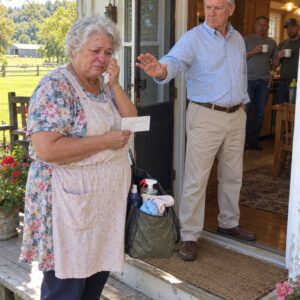
Frank didn’t argue. He simply asked them to sign a completion acknowledgment confirming that the work was finished, inspected, accepted, and free of workmanship complaints. They signed it without much thought. The next morning, Frank arrived at their home with his attorney and his former apprentice. There was just one problem for the homeowners: they were preparing to sell the house, and Frank had already taken the necessary legal steps regarding his unpaid claim. Suddenly, that $6,200 mattered very much. The balance was paid, along with documented collection-related costs, and the matter was resolved.
Later, Frank explained why he had smiled when they said he couldn’t take the cabinets back. “I didn’t need the cabinets,” he said. “I needed the house.” More importantly, he needed the paperwork. After decades of learning that kindness without protection can become a weakness others exploit, Frank had learned to keep everything documented. He never became less gentle. He simply stopped confusing gentleness with being powerless. Years later, the same real estate agent recommended Frank to another client, describing him as the carpenter who never leaves until the job is done right.